
第2464期:英语中的“黄鼠狼”词(weasel words)

看到过这些说法吗?
“Many people say this is the best plan ever.”
“Studies show our product can help you lose up to 15 pounds.”
“Experts agree that this is virtually risk-free.”
🐣
上面三句话中的黑体字都是看似有理实则模棱两可的模糊词语,这类词在修辞学上有时被称为“避责词”,英文称为weasel words,是一种常见的误导性修辞技巧(misleading rhetorical trick),目的是装腔作势、推卸责任。
Weasel words are vague, ambiguous, or misleading words and phrases that allow the speaker or writer to make a claim that sounds impressive or definitive, but actually avoids making a clear, verifiable statement.
Weasel是黄鼠狼的意思,英文为什么把这种模糊词叫做“黄鼠狼词”呢?
这个说法源自一个传说。
据说黄鼠狼习惯偷偷在鸡蛋(或鸟蛋)上打一个很小的洞,然后把里面的蛋黄和蛋白全部吸光,只留下一个看起来完好无损的空蛋壳。从外面看,蛋还是那个蛋,但里面已经什么都没有了。
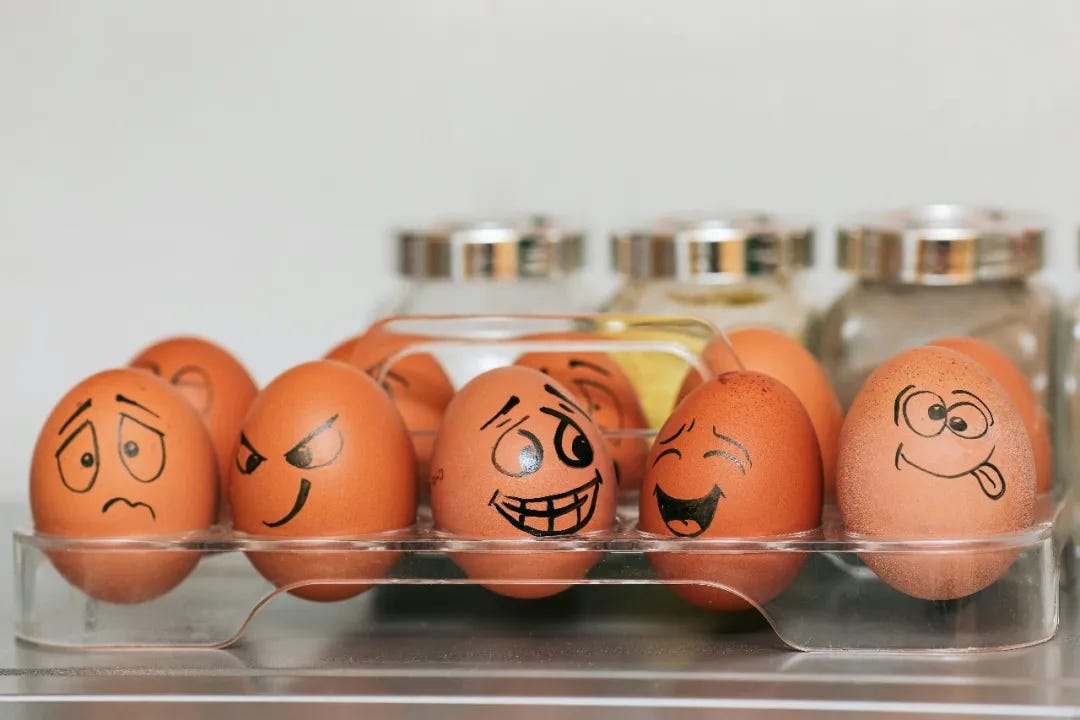
Photo by Олег Мороз on Unsplash
1900年,美国作家 Stewart Chaplin 在Century Magazine上发表了一篇短篇小说,第一次把这种现象称为 weasel words。他写道:
“Why, weasel words are words that suck all the life out of the words next to them, just as a weasel sucks an egg and leaves the shell.”
“所谓避责词,就是那些把旁边词语里的生命力全部吸走的词,就像黄鼠狼吸掉蛋的内容,只留下蛋壳一样。”
后来英语就用这个比喻来形容那些听起来很唬人、很权威、很有说服力(外壳完好),但实际上没有具体信息,让人无法验证、无法追究责任。Weasel这个词作动词有逃避的意思,不知是否也跟这个传说有关。
这是某些地方的砖家和媒体最常用的伎俩,利用信息不对等的优势,随意编造虚假新闻,用空洞的宏大叙事语言左右人们的判断、摧毁大众的认知能力。
下面举几个最常见的例子(为方便行文,仅举英文例子):
Many people... 很多人......(不说“很多人”是多少人,哪些人)
Studies show...; experts agree... 研究表明、专家一致认为......(不说什么研究,哪些砖家)
The international community believes... 国际社会一致认为......(这个“国际社会”有多“国际”?包括几个国家?)
现在不是流行“话术”这个词吗?这就是一种最典型最常见的话术。每句话里都有无数的“术”,,越来越无物,越来越听不得了。